
If you cannot understand the systems shaping your life, you cannot meaningfully participate in decisions about them. Digital literacy is not a luxury for engineers. It is infrastructure for everyone. Our job is to close that gap through writing, teaching, and building tools that make AI genuinely understandable.
Teaching
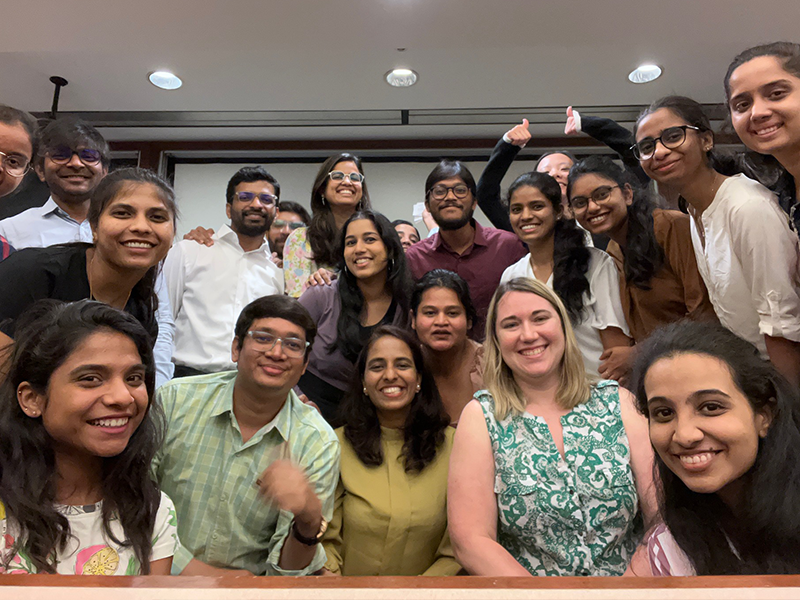
Angela teaches at Northeastern University, where she walks graduate students through FDA regulatory strategy, AI governance, and the messy reality of how scientists, regulators, and investors talk past each other. Her courses combine hands-on projects with real regulatory frameworks, which sometimes means working with FDA-approved in vitro diagnostics and sometimes means working with Crayola markers. Both teach you something about how regulated products get designed, tested, labeled, and misunderstood.
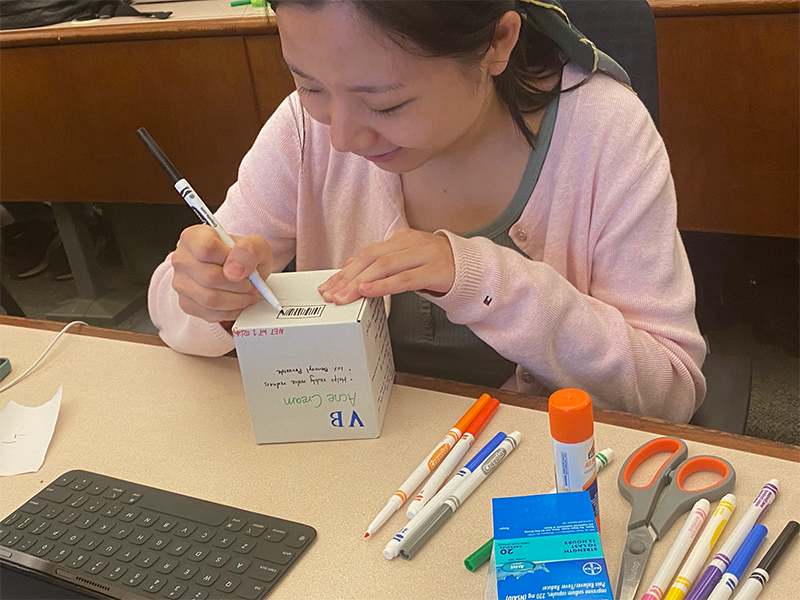
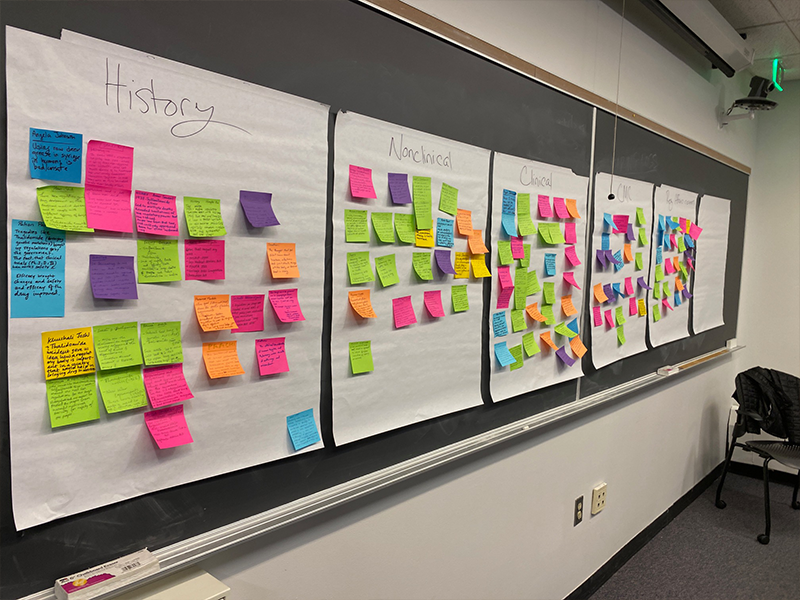
The teaching philosophy behind these courses is the same philosophy behind everything TRCL builds. You learn by doing. You learn faster when the tools are accessible. And you learn best when someone has taken the time to make the complex genuinely understandable, without making it simple. Simplicity hides the interesting parts. Accessibility reveals them.
The book
Our first book is the same teaching philosophy in print. It takes you through 100 power sources and asks a simple question for each one. Can it run AI? From Baghdad batteries to Dyson spheres, from hamster wheels to human body heat, the book uses real math and real citations to explore a premise that is absolutely not real. Along the way it teaches how AI actually works, how much energy it takes, and why the idea that you need a data center to run AI is a business choice, not a physics constraint.
175 pages. Hardcover $39.95. Ebook $19.95.
Talks and workshops
Angela is available for speaking engagements, conference talks, panels, and workshops on AI literacy, digital sovereignty, machine cognition research, AI governance and regulatory strategy, the intersection of humor with science communication, and hands-on approaches to teaching complex technical topics to non-technical audiences.
She brings the same energy to a conference keynote that she brings to a classroom. If you want your audience to walk out understanding something real about AI that they did not understand when they walked in, we should talk.
To book a talk or workshop, email innovate@therealcat.com.
Resources for educators
We are developing free educational materials for teachers, librarians, and community educators who want to bring AI literacy into their classrooms and programs. Sample chapters, discussion guides, and lesson plan starters will be available here as they are completed.
If you are an educator using or considering using our book in your teaching, we want to hear from you. Your feedback shapes what we build next. Email innovate@therealcat.com.
Community programs
TRCL is exploring community-based AI literacy programs, including hands-on workshops for building and running local AI systems, partnerships with libraries and community centers, and programs specifically designed for communities underserved by mainstream tech education. These programs are in early development and informed by the same hands-on, accessible-not-simple teaching philosophy that drives our classroom work and our books.
If you are a community organization interested in partnering on AI literacy programs, we would love to talk. Email innovate@therealcat.com.